
Note: Fortivox Home is reader-supported. We may earn an affiliate commission when you click links on this page, at no extra cost to you.
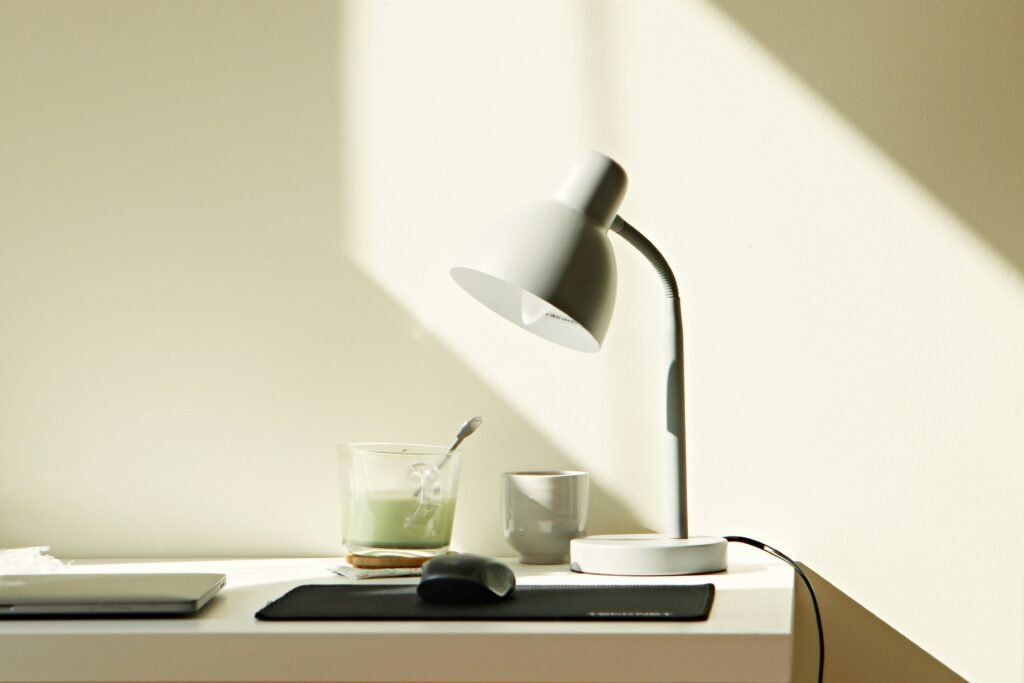
Most desk lamps are designed to be replaced, not repaired. The LED module is integrated into the housing. The driver is a black box. When it fails — or when the LED spectrum shifts after 3,000 hours — the whole lamp goes in the trash.
The lamps worth keeping forever are either classic designs built around replaceable bulbs, or modern LED designs from brands with a proven commitment to serviceability and long-term parts availability. This guide covers both.
The Planned Obsolescence Problem in Desk Lamps
The LED revolution in desk lighting has been mostly good — LED is dramatically more efficient than incandescent and has a theoretical lifespan of 25,000–50,000 hours. But the way most manufacturers have implemented LEDs is BIFL-hostile.
The typical modern desk lamp integrates the LED array and driver into a single non-replaceable module. When the LED dies (or more commonly, when the driver fails, which happens at a rate that far exceeds the LED’s own lifespan), the entire lamp is a disposal candidate. There is no bulb to replace.
True BIFL desk lamps avoid this problem through one of two paths: either they use standard, replaceable bulbs (incandescent, halogen, or standard LED bulb formats), or they are made by brands that have committed to selling replacement LED modules and have a multi-decade track record of actually doing so.
The Classic Standard: Luxo L-1 and Its Descendants
The Luxo L-1, designed by Jac Jacobsen in 1937, is the canonical example of a product designed to last indefinitely. Its spring-balanced articulating arm — the design that spawned every “architect lamp” and “drafting lamp” that followed — is a mechanical marvel that requires no maintenance and has no failure modes under normal use.
The original L-1 used incandescent bulbs in an E27 socket — completely replaceable, no planned obsolescence possible. Modern versions use LED bulbs in the same standard socket.
What to look for in Luxo descendants: steel or aluminum construction (not plastic), spring or counterweight balance (rather than friction joints that loosen over time), and a standard E26/E27 or GU10 bulb socket rather than an integrated LED module. Anglepoise (UK), Artemide, and Waldmann all make spring-balanced articulating lamps in this tradition.
BenQ e-Reading Lamps: The Modern BIFL Choice
BenQ’s ScreenBar and e-Reading lamps represent a genuinely different approach to the integrated-LED problem: they’re designed and priced so that the entire lamp is the replaceable unit, but at $50–$110, they’re cheap enough that a 5-year replacement cycle is economically reasonable. More importantly, the LED spectrum in these lamps is engineered for eye comfort in a way that no incandescent-based design can match.
The ScreenBar in particular solves a specific home office problem: monitor glare. It mounts on the top of your monitor and illuminates the desk below while directing zero light into the monitor face, eliminating the reflection and glare that a conventional desk lamp creates. It’s USB-powered from your monitor.
The BenQ e-Reading Lamp (standalone version) adds auto-dimming, color temperature adjustment, and a longer arm with more coverage area.
Color Temperature and Eye Health
The color temperature of your desk lamp matters more for all-day work than any other lighting specification.
Warm white (2700K–3000K) matches incandescent and is comfortable for extended reading but may cause eye fatigue for screen-intensive work because the warm tone contrasts with the cooler blue-white of modern LCD/LED monitors.
Cool white (5000K–6500K) matches daylight and is more comfortable when working alongside screens, but can feel clinical and harsh in a home environment.
Tunable white (2700K–6500K, adjustable) is the BIFL choice if you want one lamp forever: match the color temperature to your work mode and time of day. Warmer in the evening to avoid disrupting circadian rhythm. Cooler during focused daytime work sessions.
The best BIFL desk lamps in the $150–$400 range have tunable white built in. Below that price point, decide on your primary use case (reading-heavy vs. screen-heavy) and buy accordingly.
Recommendations by Category
Classic articulating (replaceable bulb): Anglepoise Original 1227 Brass ($200–$250). Uses standard B22 bulbs, UK-made since 1935, available in LED bulb configuration. The definition of BIFL design.
Professional task lighting (articulating): Waldmann TALO Desk ($300–$500). German-engineered, replaceable LED module, available for 20+ years with parts support. The standard in architecture and design studios.
Monitor-mounted: BenQ ScreenBar Plus ($109). The most practical modern solution for screen-intensive work. USB-powered, auto-dimming, asymmetric light distribution.
Budget BIFL: Ikea Tertial ($15). It uses standard E27 bulbs, has no electronics to fail, and the spring mechanism is essentially indestructible. Buy a quality LED bulb for it and you have a $30 total investment that will last 20 years.
WHERE TO BUY
| ✦ LIGHT YOUR WORKSPACE ONCE, RIGHT ► BenQ ScreenBar Plus ($109): Best all-round solution for screen-heavy work. Available at Amazon. ► Anglepoise Original 1227: Available at Design Within Reach (dwr.com) ► Complete the desk surface: Rovelis full-grain leather desk pads (launching 2026) pair beautifully with warm-white architect lamps — the cognac colorway is especially striking under 2700K lighting. |
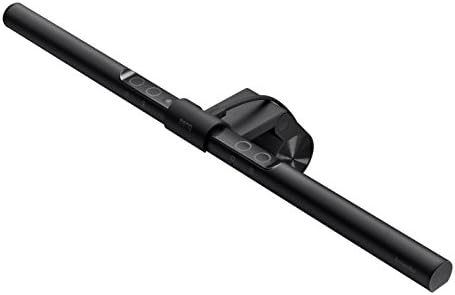
- EYE CARING & TOP QUALITY – Flicker-free and anti-blue light hazard LED light source with CRI>95 for natural colours. Lon…
- PATENTED CLAMP – Mounts securely on monitors 0.4″-1.2″ thick, saving space with a patented counterweight clamp with grea…
- NO SCREEN GLARE – With carefully calculated beams, ScreenBar’s ASYM-Light technology prevents screen reflections and dir…